
The documentary film Soy Improvisao is currently in its post-production stage. This documentary has been in production for 5 years and is currently undergoing final editing, mixing, color grading, and scoring.
It was awarded by Ibermedia for Development and by the Proartes fund to complete post-production.
Its release is expected for late 2014 in the country.
¿Why so much work? Five years? Improvised bullfighters?
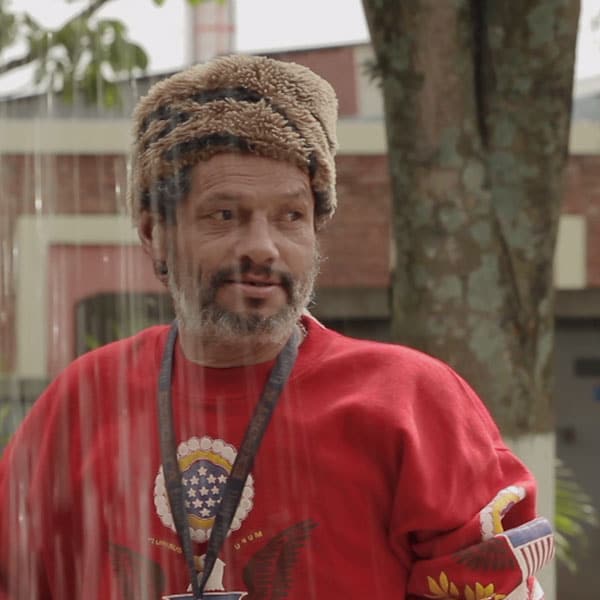
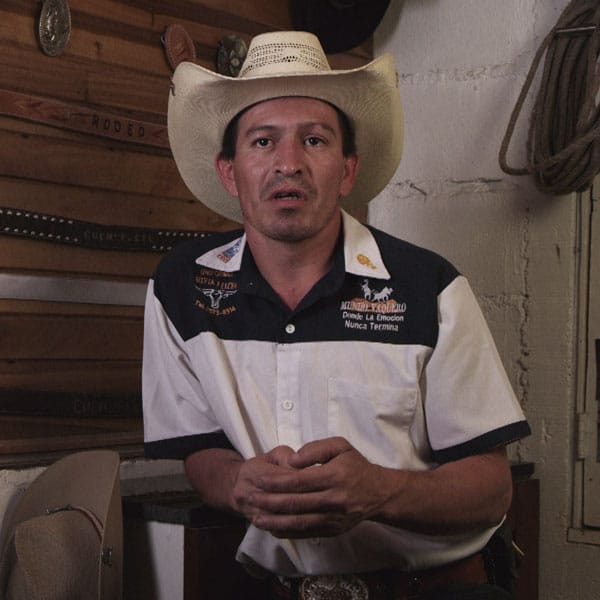
The improvised bullfighters (toreros improvisados) are part of Costa Rican culture—not that privileged culture found in official history books or celebrated in public ceremonies, but the "other culture." It is recognized as a culture of the popular, the circus-like, the improvised, and the buffoonish—elements that become a reflection of modern society. These very reasons compose this story, which seeks to make visible these anonymous "actors," their stories, experiences, and wounds, which heal with the passing years under the unconcerned gaze of those who enjoy their show every year-end.
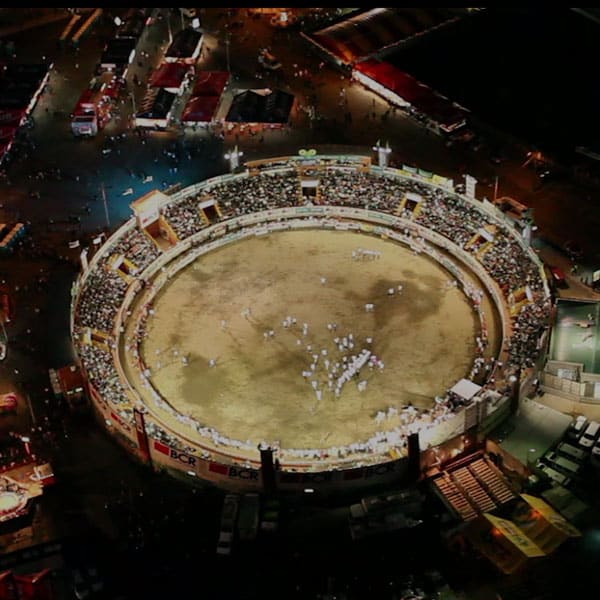
Therefore, this project is approached from the intimacy of three characters who, year after year, represent a collective exposed through television and conceived as a year-end tradition. The "Fiestas de Zapote" serve as a pretext for these three men, who grant meaning to their individualities through the sense they assign to this activity. In this way, the documentary presents another perspective of what we already see on national television broadcasts, and therein lies the contribution it can offer to the cultural sphere.
It is not about getting tossed by bulls, nor about the arena, nor is it about the bulls themselves. What we see in the documentary are stories that reveal humanities—in the plural—since each of the three stories tells a way of living out humanity and a different way of looking at oneself, of facing one's masculinity, solitude, and flaws. They transform a common space like the arena into a vital refuge, where somehow the turning points that define their lives cannot reach them, and where they experience a sense of existence pushed to the limit.
Thus, our contribution as an organization to the cultural sphere is positioned in offering that marginalized perspective—that of individuals whose personal stories and reasons for asserting themselves every time they enter the arena are diluted when they are "mass-labeled" as "toreros improvisados." This humane treatment and search for excluded perspectives were key elements in earning the film a declaration of public interest by our country's Ministry of Culture and Youth (attached in the documents).
We aim, in this way, to offer other narratives from a part of our country's popular culture.
Frames: