


Aftermath of the Quarantine” (Secuelas de la Cuarentena) was born out of the need to foster a creative space during the complete shutdown of film activities in Costa Rica and Ibero-America as a result of the COVID-19 pandemic. The project consists of the production of 40 short films developed within the context of the pandemic and quarantine, exploring a wide range of cinematic genres such as drama, suspense, comedy, and even B-movie cinema. Secuelas de la Cuarentena is co-produced by three production companies: Cucumelo Films and Tríptico Films from Costa Rica, alongside Mexico-based Flick Media.
To achieve the production of 40 short films, the project brought together 7 producers, a project coordinator, a casting agency, an animation studio, a marketing and communications team, 3 production assistants, 40 screenwriters, 40 directors, 40 video post-producers, 40 audio post-producers, 40 graphic designers, and more than 150 actors and actresses. Participants hailed from more than 15 Ibero-American countries—including Mexico, Argentina, Costa Rica, Colombia, and Spain—along with contributors from other countries such as Morocco and Australia.
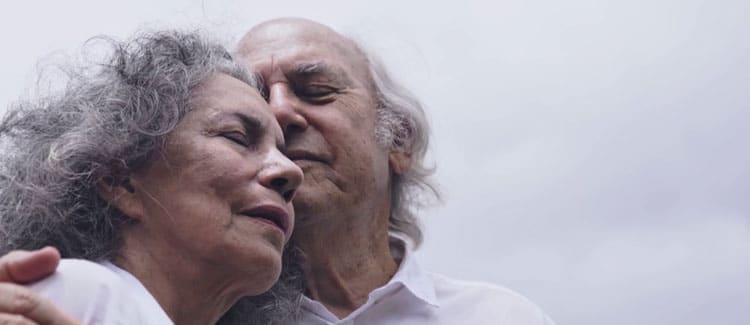
As part of the production guidelines, it was established that all content had to be filmed in "quarantine mode." For this reason, the scripts were required to address topics related to the "new normal," and the proposals could not violate "stay-at-home" regulations. With 40 scripts ready, the casting process began alongside location scouting—meaning that if a script called for a balcony or a house with a garden, the actor or actress had to have those spaces in their own home. The task became even more challenging when a script required a father and son, or a couple with a cat, as all actors had to reside in the same household. It is important to note that the production prohibited moving actors to other locations to ensure compliance with isolation measures.
Filming began in March and concluded in July. Due to the complexity of coordinating 40 short films simultaneously, production was divided into two groups of 20 shorts each. The first group involved a learning curve for what we called "online filming"—one of the most valuable insights gained from this project.
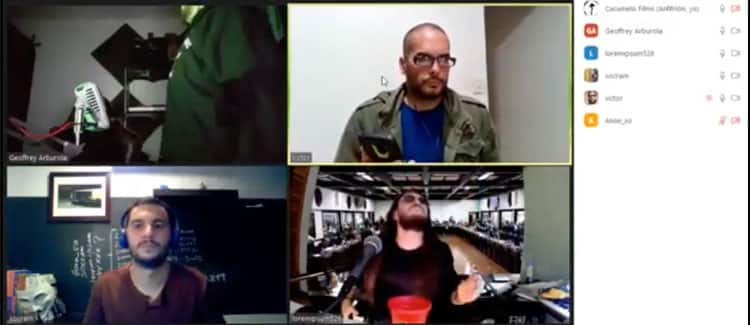
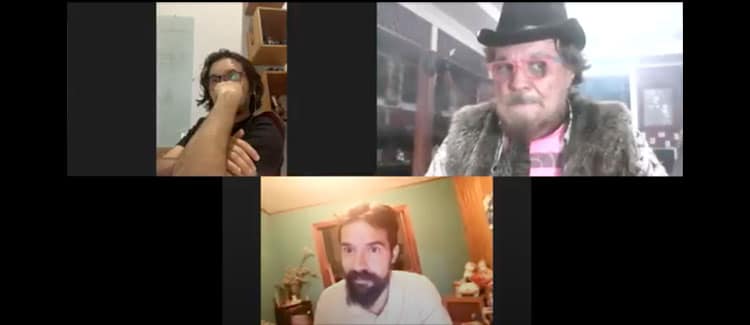
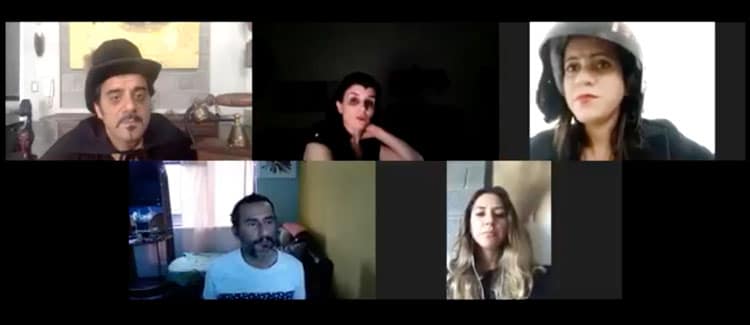
With "online filming," we faced the project's biggest challenge as well as one of its most compelling aspects: remote directing through videoconferencing tools. Directors and actors rehearsed on Zoom and filmed with the aid of this tool. Quarantine was strictly respected in every short film, and in most cases, the actors acted as multitaskers—not only performing, but also operating the camera, lighting, and sound equipment on their own. For some short films, we received support from the actors' partners or family members, who became film crew technicians during shooting. It is also worth noting that the production team conducted online training for many of those who collaborated in the production.
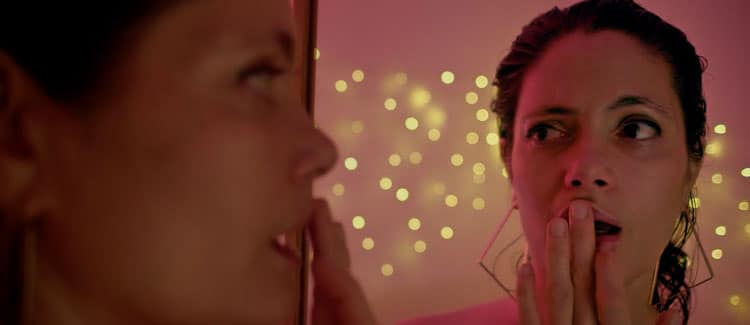
There were also cases where directors invited other colleagues to join various departments—such as art, wardrobe, and even cinematography—who likewise worked entirely remotely.
The editing and audio post-production process was accomplished through cloud computing, enabling files to be sent to editors across different countries. This was undoubtedly a project filled with numerous technological and creative challenges. One of the final creative and production hurdles was gathering 40 graphic designers to give a distinct visual identity to each short film, ensuring that every project featured its own promotional poster.
Each of the short films in Secuelas de la Cuarentena (Aftermath of the Quarantine) is the product of a collaborative effort, conceived and produced on a non-profit basis, where every collaborator donated their labor and creativity. This is a project where, if all contributions were fully quantified, it would represent a very significant financial amount—primarily given the filmography and experience of many of those involved. Nevertheless, there were out-of-pocket cash investments that Cucumelo Films and the other executive production companies covered to handle the administrative and operational expenses of the project.
